|
While I do try to stick to the useful articles on this website offering insights on how to do things to improve your lifestyle in a green way every now and then I do veer off into the philosophical. What I want to talk about a bit in this one is Green Living and how it impacts your health and of course the health of the planet. To do this in a somewhat organized way I will try to break out just a couple of topics to take a closer look at or we could be here all day. 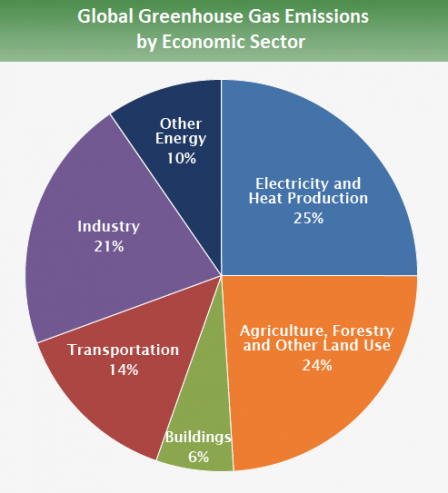
Transportation Ahh my favorite red headed step child, transportation or more specifically internal combustion transportation is responsible for quite a bit of the current issues we face both with the environment and with our personal health. First some numbers for perspective.
The same thing is happening with the figurative roof of the global environment. We may think that individually we don’t have any impact but we cannot forget that there are now 7.7 billion of us on this planet. The ironic thing is most of those people don’t even have what is considered a poor standard of living in the western world and the fraction that do have already have managed to have a large impact that we already can feel. Imagine if all of us had the same impact that the average American has (myself somewhat included) we would most likely be already fighting in the street for the last can of peaches. Ok so now that that rant is done it's time to think about the health impacts of all this transportation. First there are the obvious impacts of those emissions on your lung health. Smog mostly from internal combustion engines reduces lung capacity, increases asthma and could damage the lining of your lungs. Next thing to think about is the impact on your waistline. If you think about much energy is contained in 1 gallon of gasoline and how far that gallon can get you. For example my car gets around 30 miles per gallon of gas burned. To walk those same 30 miles I would burn around 3300 calories and since I need around 2400 calories just to survive you can see I would need to consume quite a bit more just to maintain my weight. By just hopping in car to go everywhere and eating more than enough to sustain your weight (I’m guilty of this) you are both consuming more food than you need and you are also not getting the exercise you need to maintain weight and improve your physical fitness. Food Waste Do you have any idea how much food is wasted throughout the world. I am going to assume you don’t because if you did you would already have broken out the torches and pitchforks and marched on the local grocery store in righteous anger. According to the United Nations FAO (Food and Agricultural Organization) around 1/3 of all food produced is wasted. 1/3!!!!!!!!! According to the same report that’s amounts to about 1.3 billion tons wasted or lost every year. This food is wasted at all points in the food production process and it breaks down in the following ways.
Ok so I waste food but how does that affect my health and the health of the planet? Simple agriculture is the most environmentally destructive practice that humans have ever done to the planet. Now a few facts
How this affects your health is simple as well. With the advent of industrial agriculture the use of pesticides, herbicides, and specialized breeding for looks and transportability our food is arguably not as nutritious as it used to be. Not only is it not as nutritious but the very abundance we have in the western world is also a problem in its own right. The abundance of food along with the introduction of food like products has had an impact on our wallets, waistlines and nutrition with the full consequences yet to be fully understood. In conclusion So I got a bit long winded there and I want to apologize for that but those two subjects are something that I care a lot about and that I really have some strong opinions about. The moral of this story is that green living is much better for your health and the environments health and those aspects of your life like transportation and what and how you eat has a tremendous impact on you and the world. To tweak this in such a way to improve your health and the environments consider alternative transportation like walking, biking or even public transportation to get around versus your personal car. Now I am fully aware that many people do not live in area where public transport even exists or is very good but still look at your options. My story for example is that for around 8 months out of the year I am able to ride my bike to work. The other 4 months is in the winter where I would be riding home in the dark which does not appeal to me. By saving the car trip I am getting exercise, saving gas and wear and tear on car. On the food aspect I have a fairly large garden along with extensively planted fruit trees and shrubs which overtime will provide me more and more of my food supply. I also extensively compost any organic materials that come into my house including the tiny amount of food waste that the wife and I generate which then goes back into the garden. If you live in a apartment or some other situation where you don’t have outside space you can turn into a garden you can still do Indoor Gardening which I also do to grow tomatoes and fresh greens during the winter. You can also do indoor composting in the winter as well there are lower cost options like vermicomposting or more expensive options like this one. Sources: https://www.epa.gov/ghgemissions/global-greenhouse-gas-emissions-data https://www.epa.gov/ghgemissions/sources-greenhouse-gas-emissions https://www.cnpp.usda.gov/sites/default/files/usda_food_patterns/EstimatedCalorieNeedsPerDayTable.pdf http://blog.globalsoilbiodiversity.org/article/2018/01/09/how-much-soil-lost-every-year https://www.nrcs.usda.gov/Internet/FSE_DOCUMENTS/nrcs142p2_010152.pdf
0 Comments
Leave a Reply. |


